
School, tutoring and childcare in France: a guide for families
Aussi disponible en : Français தமிழ்
School, homework, care for the little ones and activities: running family life takes a lot of energy. This guide gathers simple pointers to help you make good choices, always with children’s safety in mind.
1. Enrolling at school
In France, education is compulsory from the age of 3. For state nursery and primary schools, you usually register first at your town hall (mairie), which tells you which school serves your address, and then at the school itself. You are normally asked for proof of address, the family record book or a birth certificate, and the child’s health record for vaccinations. Ask early, as enrolment happens several months before the school year starts.
For secondary school (collège, lycée), places are allocated by the national education authorities. Stay in regular contact with teachers: parents’ evenings and the school’s online portal are very useful for following your child’s progress.
2. Choosing childcare for younger children
- Nurseries (crèches, run by the town or by parents): places are often limited, so apply early through the town hall or the nursery.
- Childminders (assistantes maternelles) look after children in their own home and must be approved by the département’s child health services (PMI). Always ask to see the approval.
- Home childcare: someone looks after your child in your home, possibly shared with another family.
The official website monenfant.fr (run by the CAF) lists childcare options near you. Depending on your situation, CAF benefits can reduce the cost. If you employ a childminder or a home carer, you become an employer: there is an official service for declaring them, and a written contract is needed.
Questions to ask
- What experience do you have? Can I contact families you have worked with?
- What does a typical day look like (meals, naps, outings, screens)?
- What happens if my child is ill or if you are absent?
- What safety measures are in place in your home?
Plan a gradual settling-in period: it reassures both children and parents.
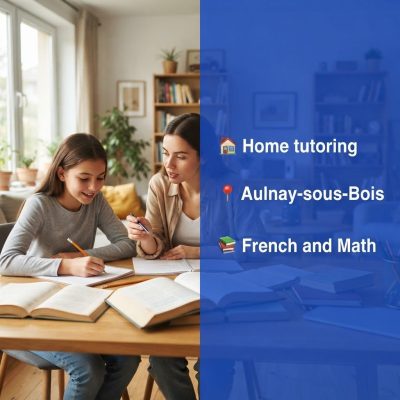
3. Homework help and private tutoring
Extra support can help a child regain confidence, fill a gap or prepare for an exam. Before looking for a tutor, talk to your child’s teacher, who can pinpoint the real difficulties and may suggest help within the school.
When choosing a private tutor:
- meet them before the first lesson and ask about their background and references;
- set clear goals (one subject, an exam, study methods);
- for younger children, prefer lessons in a shared room at home, or online with a parent nearby;
- check progress regularly with your child and the tutor.
Home tutoring provided by a registered organisation or declared tutor may give access to a tax benefit. Official information is on service-public.fr.
4. Safety first
When an ad involves children, be extra careful. Never leave your child with someone you have not met and whose identity or references you have not checked. Be wary of anyone who tries to communicate alone with your child outside the agreed arrangement. If you have serious concerns about a child’s safety, contact the relevant authorities.
5. Growing up with several languages
Many children in the community grow up between Tamil and French, and sometimes English. Speaking your home language is generally seen as an asset for a child, not an obstacle to learning French. What matters is talking to them often, reading stories together and showing that both languages are valued. Associations offer Tamil, dance or music classes, which also help children stay close to their culture and family.
6. Activities and holidays
Municipal holiday centres, sports clubs and cultural associations offer activities on Wednesdays and during school holidays. Prices often depend on family income: ask your town hall.
Frequently asked questions
Can a neighbour look after my child regularly for money?
To care for children regularly in their own home for payment, a person must hold a childminder approval (agrément). Occasional help between family or friends is a different situation. If in doubt, ask the PMI services or check monenfant.fr.
How many hours of tutoring per week?
There is no single rule. Short, regular sessions are often more effective than long, infrequent ones, especially for younger children. Leave free time too: rest and play matter for learning.
How can I help my child if my French is not strong?
You can help by setting a calm time for homework, showing interest in what they learn, reading together in your own language and staying in touch with the teacher — with a relative helping to translate if needed. Many towns and associations also offer homework clubs.
In short
Apply early, always check the approval and references of anyone caring for your children, set clear goals for tutoring and value the languages of your family.
Find lessons, homework help and family services in the Education & Family section of TamilMarket, or post an ad if you offer your services.